In the rapidly escalating conflict in the Middle East, one location has suddenly become more than just an energy site. It is now a strategic target, a geopolitical pressure point and a symbol of how modern wars can disrupt the entire world.
This place is not a military base or a capital city.
It is a gas field.
And not just any gas field.
The world’s largest gas reserve
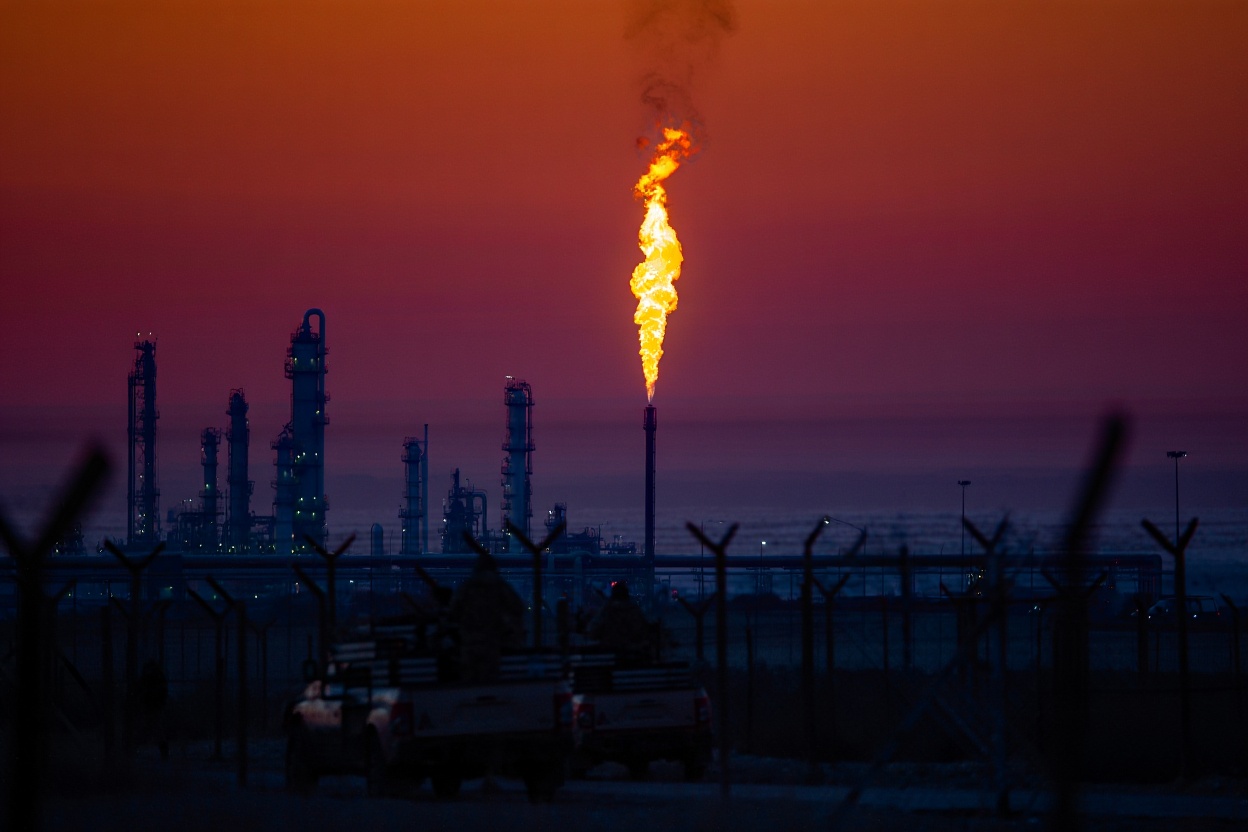
The site at the center of attention is the South Pars gas field, located off the southern coast of Iran. It is the largest natural gas field on the planet, shared between Iran and Qatar, and contains enough gas to supply global demand for years.
For Iran, it is absolutely critical. The field provides around 70 to 75 percent of the country’s gas production, which is used to power homes, generate electricity and sustain key industries.
Unlike major exporters, most of this gas is consumed domestically, meaning any disruption has immediate consequences inside the country.
That is exactly why it has become such a sensitive target.
A strike that changed everything
In recent days, the conflict took a major turn when this gas field was directly targeted in a military strike. This marked a significant escalation, as energy infrastructure had largely been avoided in earlier phases of the war.
The attack damaged parts of the facility and forced temporary shutdowns in production, affecting a notable share of Iran’s gas output.
Within hours, the impact was already visible.
Energy prices surged globally, and Iran began redirecting gas supplies for domestic use, halting exports to neighbouring countries such as Iraq.
This was no longer just a regional military event.
It had become an economic shock.
Why this field matters far beyond Iran
The importance of South Pars goes far beyond Iran’s borders. Because it is part of a shared reservoir with Qatar, any disruption risks affecting one of the world’s most important energy zones.
The Gulf region supplies a significant portion of global gas, and even small disruptions can ripple across international markets.
Following the attack, energy facilities across the region became potential targets, with warnings of retaliatory strikes extending to Saudi Arabia, the UAE and Qatar.
Some facilities have already been hit, and production interruptions have pushed gas prices sharply higher in Europe and beyond.
This is why analysts are now speaking about the risk of a broader “energy war.”
A dangerous new phase of the conflict
What makes this moment particularly concerning is the shift in targets. Attacking energy infrastructure introduces a new level of risk, not only for the countries involved but for the global economy.
Unlike military installations, energy facilities are deeply connected to everyday life. They affect heating, electricity, transport and industrial production.
Damage to these systems can take months or even years to repair, meaning the consequences may last long after the fighting stops.
At the same time, targeting such infrastructure increases the likelihood of retaliation, creating a cycle that is difficult to control.
A conflict now tied to global stability
The focus on South Pars highlights a broader reality. Modern conflicts are no longer confined to battlefields. They are increasingly tied to critical systems that sustain entire economies.
A single strike on a gas field can now influence fuel prices, supply chains and political decisions across multiple continents.
For now, South Pars remains both a strategic asset and a vulnerability.
And as long as it stays at the center of the conflict, the consequences will extend far beyond the Middle East.
