Following the crash of an AH-64E Apache attack helicopter near Fort Hood, Texas, last Wednesday, the U.S. Army has resumed training operations with the model. These had been suspended after the incident on August 12, in which both crew members were killed, in order to review fleet safety and “to gain a better understanding of the root causes of the accident,” as stated by the Army.
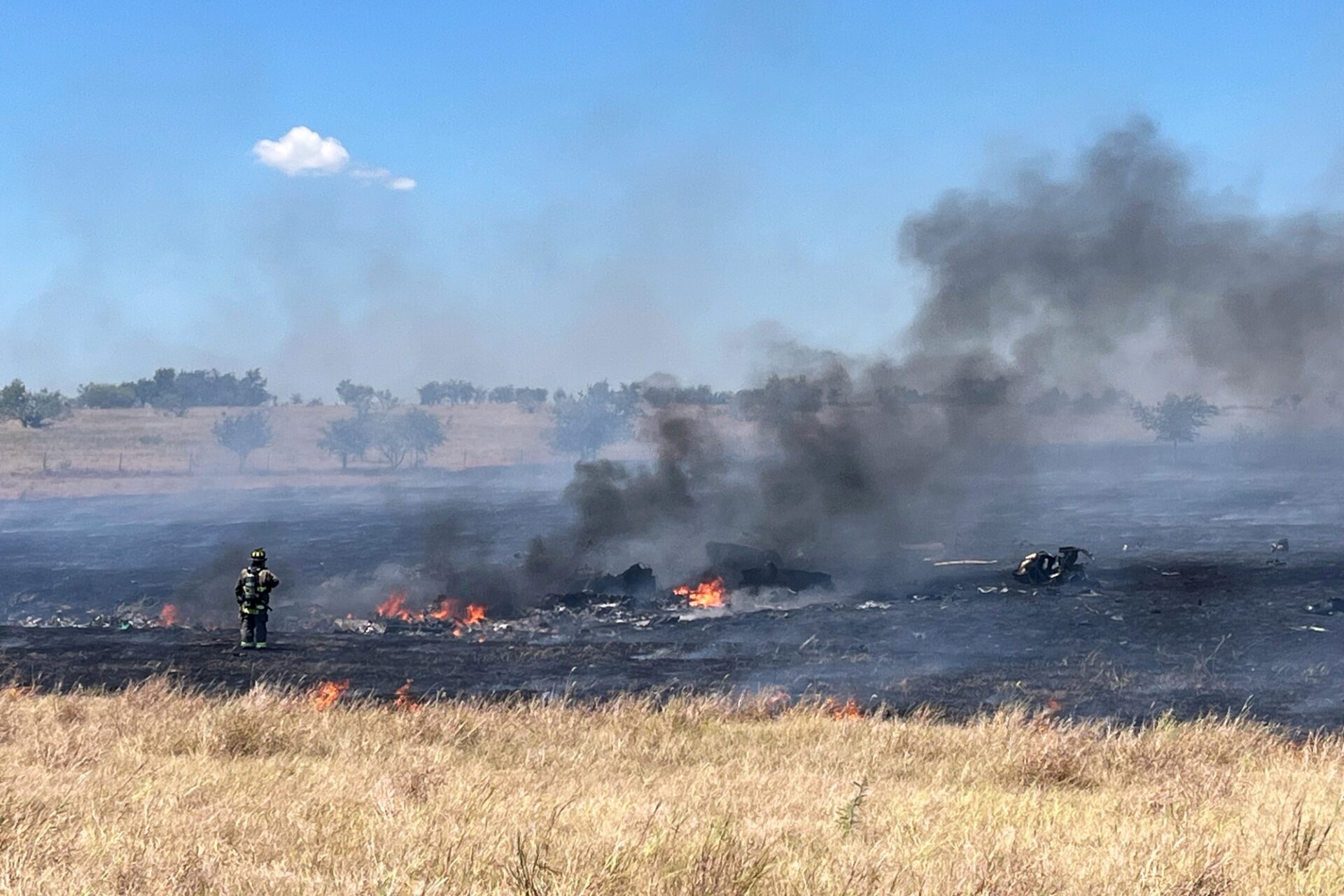
The two killed crew members have since been identified as 34-year-old Chief Warrant Officer 2 Deontre T. Huey and 24-year-old Warrant Officer Seth L. Olmstead. Both belonged to Bravo Company, 1st Battalion, 227th Aviation Regiment of the 1st Air Cavalry Brigade, 1st Cavalry Division based at Fort Hood. Their helicopter crashed on Wednesday afternoon around 1:40 p.m. local time during a maintenance test flight into a field near the town of Salado, east of the post. A significant brush fire was also ignited, which threatened several homes until it was contained.
Apache fleet had previously been banned from flying after crashes
The flight accident investigation is being conducted by the U.S. Army Combat Readiness Center at Fort Rucker, Alabama. The AH-64E version of the Apache had previously been subject to flight bans after crashes. In March 2024 this affected the entire helicopter fleet of the U.S. National Guard, after two aircraft crashed in Utah and Mississippi within a short period the preceding month. In that incident, a crew member also died, while another was injured.
Shortly thereafter, an active-duty aircraft also crashed in the state of Washington, injuring two. Already in April 2023, three soldiers of the New York National Guard died when two AH-64Es collided in midair. Earlier there were reports of problems with the onboard power generators, which led to smoke in the cockpit. According to the Army, as of September 2023, this did not contribute to crashes. As an interim measure, the generators received automatic self-shutdowns.
