
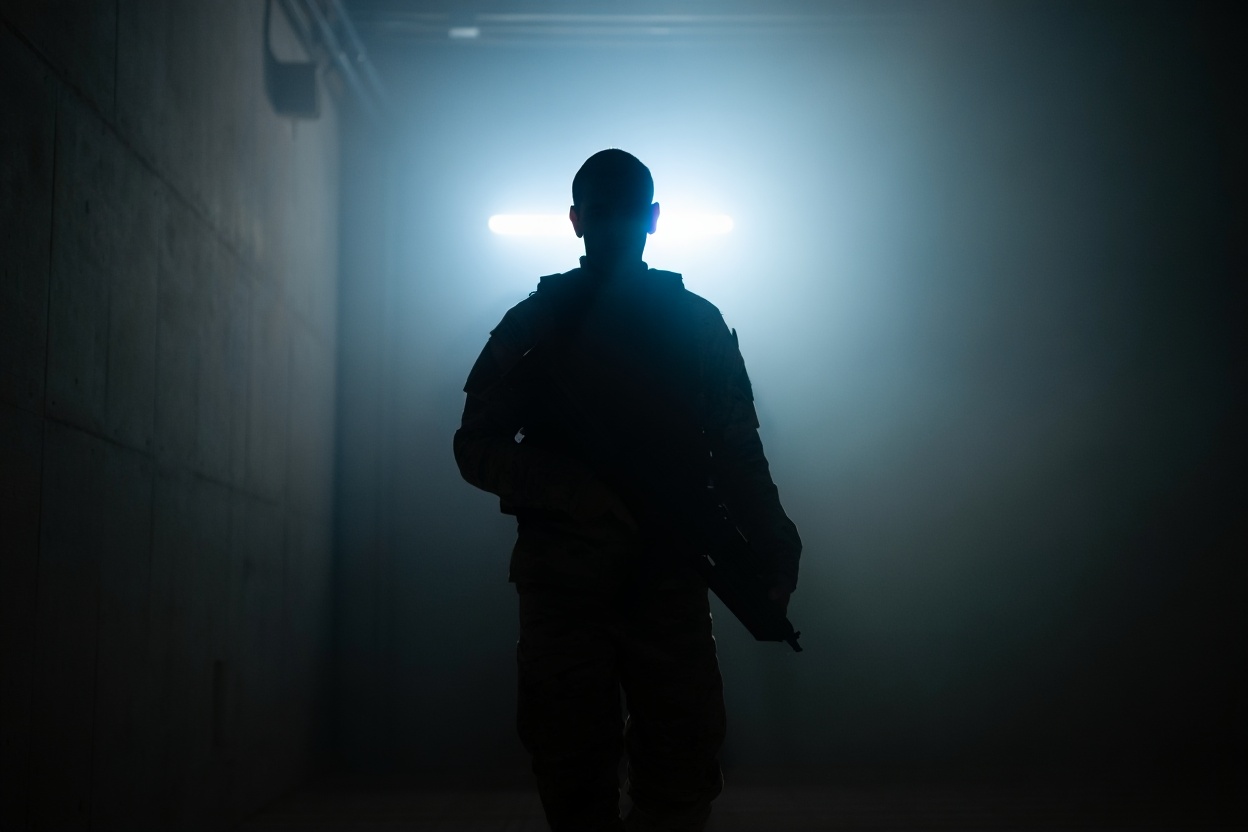
Within the structure of the Israeli army, some units are well known and frequently discussed. Their missions are documented, their training is visible, and their role is widely understood by the public.
But others operate very differently.
Among them is a unit that rarely appears in official communication, avoids public exposure and carries out missions that are almost never detailed. Even within military circles, information about its exact activities remains limited.
What is known, however, is enough to attract attention.
A unit that prioritises discretion above all
Unlike conventional military units, this group is defined not by visibility but by silence. Its operations are conducted with minimal communication, and its members are trained to operate without drawing attention.
There are no public demonstrations, no media coverage and very few official acknowledgments of its missions.
This level of discretion is not accidental. It is considered essential to the type of operations the unit is believed to carry out.
Military observers suggest that such units are typically involved in highly sensitive tasks where secrecy directly impacts effectiveness.
Missions that are rarely discussed
While official details remain scarce, analysts believe the unit focuses on intelligence-driven operations. These can include surveillance, information gathering and coordination with other specialised branches.
In modern military environments, information has become as critical as physical presence on the ground. Units capable of operating quietly while collecting and analysing data can influence decisions at a strategic level.
Some experts suggest that this type of unit may also support other forces by providing real-time insights during complex missions.
Because of the nature of these activities, most of their work remains classified.
Training designed for precision and control
Members of such units are typically selected through rigorous processes. Beyond physical ability, emphasis is placed on discipline, adaptability and the ability to operate under pressure without external recognition.
Training often includes advanced communication techniques, situational awareness and the ability to work independently or in very small teams.
The objective is not only to complete missions successfully, but to do so without being detected or creating unnecessary exposure.
This requires a different mindset compared to more conventional military roles.
A growing role in modern operations
As military strategies evolve, units specialising in discretion and information are becoming increasingly important. Modern conflicts often depend on speed, accuracy and the ability to act based on precise intelligence.
Rather than large-scale movements, many operations now rely on smaller, highly specialised teams capable of operating quietly and efficiently.
This shift has increased the value of units that can function without visibility while still playing a key role in decision-making processes.
A presence that remains largely invisible
For the public, units like this remain difficult to fully understand. Their work is rarely seen, their missions are seldom explained and their impact is often indirect.
Yet within military structures, their role is considered essential.
They represent a different aspect of modern defence, one that operates not through visibility but through precision, discretion and control.
And while few people know exactly what they do, their influence is believed to extend far beyond what is publicly visible.
