
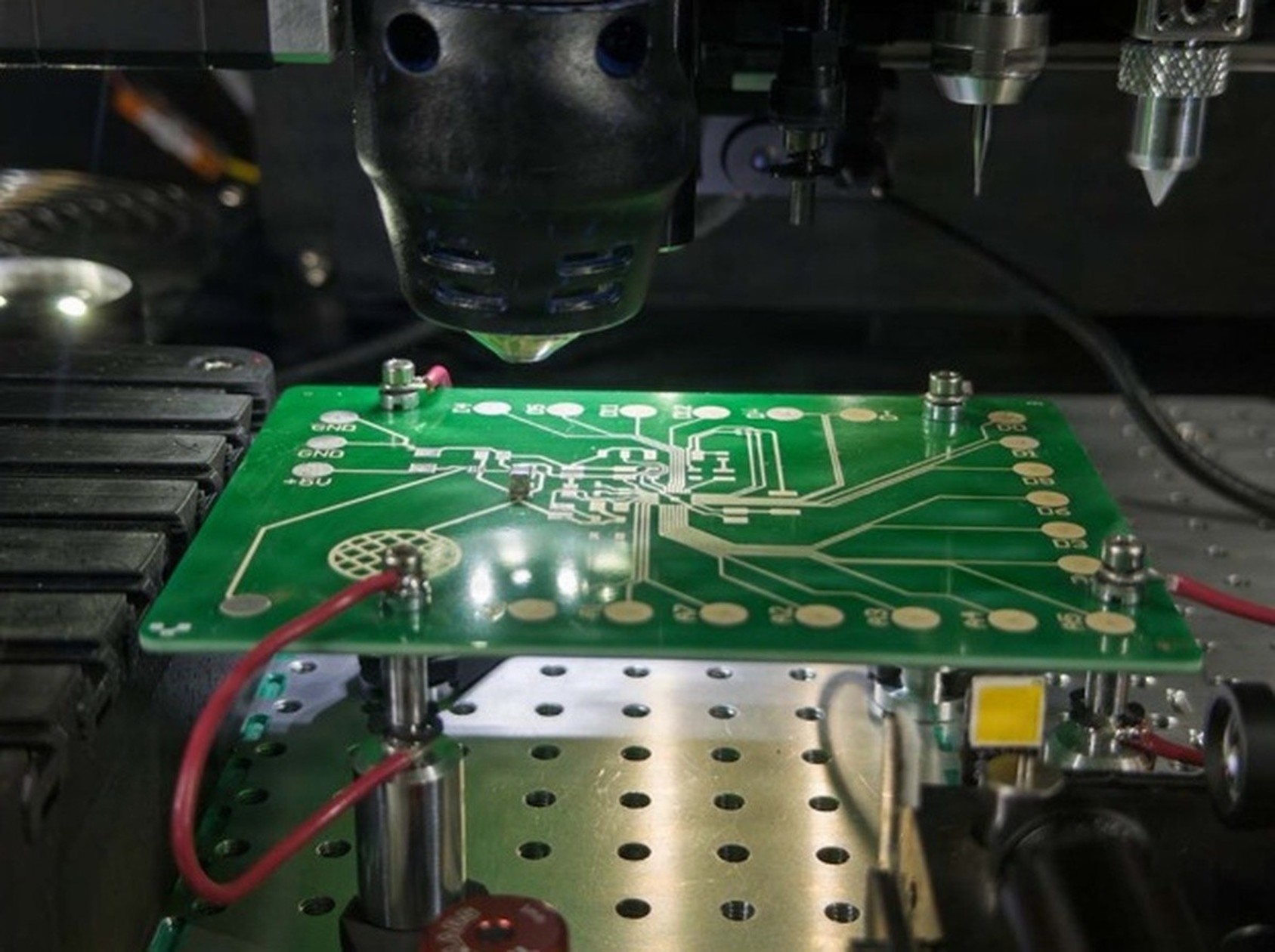
With a view to defending Ukraine, much has been said about the logistic chains, supply, and capable production capabilities near the front. The U.S. Army now wanted to test these lessons learned under real conditions. Or as it described it, to overcome the “tyranny of distance.” In doing so, the Combat Capabilities Development Command (DEVCOM) Armaments Center is seeking to bring advanced printing solutions to U.S. Marines at the front. The topic of drone manufacture, with ever-shorter innovation cycles, highlights the necessity of flexible development and production where operational experience is gained.
With regard to this type of production, Rheinmetall CEO Armin Papperger caused an uproar in March 2026 when, in an interview with the U.S. magazine The Atlantic, he described Ukrainian drone development as the work of “housewives” with 3D printers in the kitchen, who assemble parts Lego-style and do not represent real military innovation. Presidential adviser Oleksandr Kamyschin and Ukrainian drone manufacturers pointed out that these “Lego drones” built by housewives at the front effectively destroyed thousands of Russian tanks.
Several personnel at the Armaments Center spent two weeks in the past months in Hawaii and Japan with one goal: to demonstrate that modern methods of “Advanced Manufacturing and Repair of Electronics” (AME) can also work in remote deployment areas. From June 21 to July 2, the Armaments Center participated in the exercise “Valiant Shield 2026” (Joint Force Exercise), specifically in the sub-topic “Resilient Advanced Manufacturing for Contested Environments” (resilient, advanced manufacturing for contested operating environments).
 Melden Sie sich unkompliziert zu einem Digital Zugang an, um sofort von allen S&T Digital Vorteilen zu profitieren. Zum Digital Zugang
Digital Monthly Pass
for €2.50 / month
Order
Digital Annual Pass
for €15 / 1 year
Order
Digital Annual Subscription
for €12 / 1 year
Order
Genießen Sie die Premium-Inhalte und weitere Vorteile von Soldat & Technik Digital :
- Access to all premium articles from Soldat & Technik.
- Easy payment via PayPal, direct debit or credit card
- The subscription can be cancelled at any time
- The monthly and annual passes do not auto-renew.
