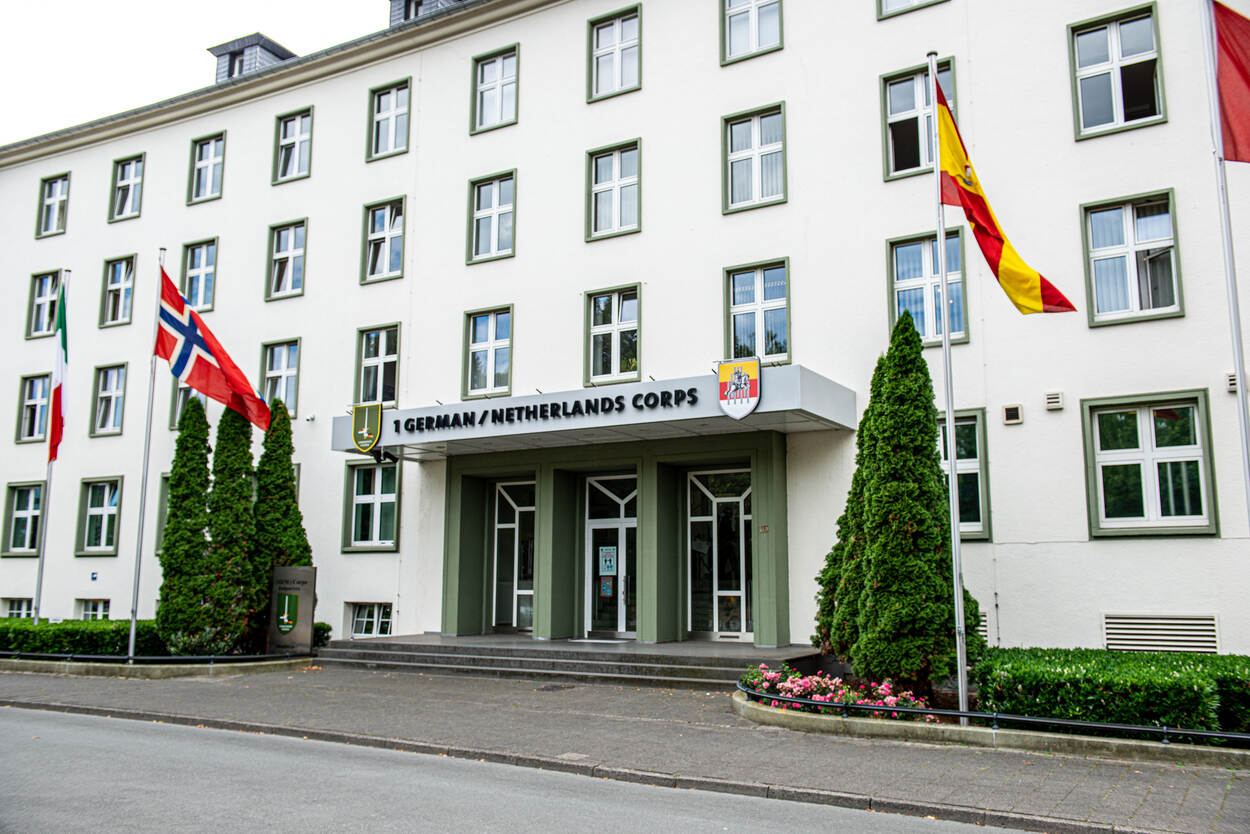
The I. German-Dutch Corps (1GNC) is expected to assume the role of a tactical headquarters within NATO planning around mid-year. With this, the 1GNC takes a leading role on the eastern flank of NATO, particularly in the Baltic region of Estonia and Latvia. The deployment of an additional tactical headquarters for the region, according to a joint press release by the German and Dutch defense ministries issued this Thursday, strengthens NATO cohesion and supports deterrence against Russia.
As agreed at the NATO Summit 2025 in The Hague, the deployment of the 1GNC also strengthens Europe’s role within NATO. NATO intends to formalize the new role of the I. German-Dutch Corps later this summer. The 1GNC will subsequently assume leadership of NATO troop formations as well as the national land force elements stationed in Estonia and Latvia. This assigns the 1GNC a substantial responsibility for directing exercises and other preparatory activities, as well as, in crisis situations, for the defense of the eastern flank.
I. German-Dutch Corps Takes Over from MNC NE
This responsibility is currently held by the Multinational Corps Northeast (MNC NE). By establishing a second headquarters in the region, alongside the MNC NE, Germany and the Netherlands want to demonstrate their willingness and ability to take responsibility for deterring and defending the NATO eastern flank. The command of the 1GNC, established in 1995, rotates between the Netherlands and Germany. By early 2028, Germany will command the corps.
At the NATO summit in Vilnius 2023, the NATO Force Model was introduced. Its primary objective is to activate more troops with shorter response times. As part of this initiative, NATO asked the Netherlands and Germany to deploy the I. German-Dutch Corps as a tactical headquarters within the regional defense plans for the Baltic states. The 1GNC is a headquarters that can command an international force of around 50,000 soldiers in peacetime, crisis, or conflict.
Pistorius Emphasizes European Responsibility
The headquarters thereby commands subordinate units in exercises, deterrence measures, and—if necessary—in crisis or conflict. The 1GNC has previously led several crisis management and peacekeeping missions. The headquarters was deployed in 2003, 2009, and 2013 for the International Security Assistance Force (ISAF) in Afghanistan. From 2005 to 2024, it was also on seven occasions, each for one year, on standby for NATO’s Rapid Reaction Force (NRF).
“With the integration of the German-Dutch Corps into NATO defense plans, both nations take on additional responsibility for Europe’s security. We stand by our role and bring with the corps a successful model of multinational cooperation. In the corps staff, sixteen nations already work hand in hand. In the assigned formations, Germans and Dutch already serve side by side every day. This is exactly how interoperability and European responsibility work,” said German Defense Minister Pistorius.
