
Detection Over the Danube Frontier
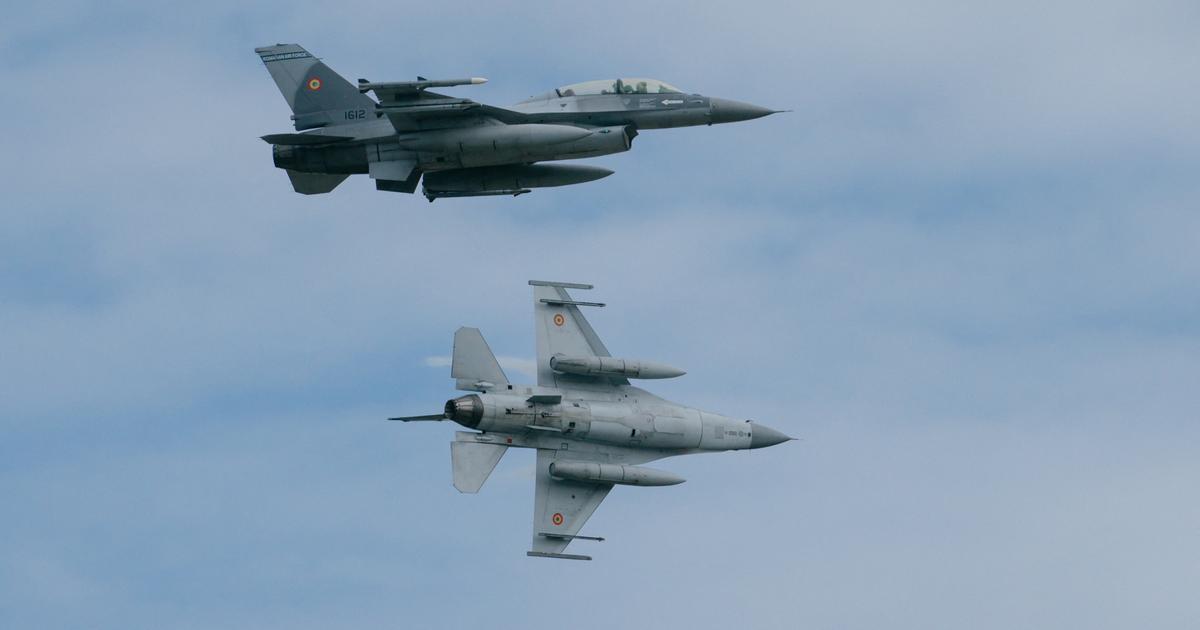
Romanian air defenses reported the tracking and interception of a suspected drone inside national airspace near the border with Ukraine. According to the Ministry of National Defense, two Romanian F-16s on a routine patrol detected the unmanned aircraft on Saturday evening. The pilots followed the object to a point roughly 20 kilometers southwest of Chilia Veche, a sparsely inhabited area along the Danube Delta. Officials said the craft then vanished from radar, with no immediate evidence of a crash or recovered debris.
Coordinated Response and Ongoing Search
Authorities emphasized there was no immediate threat to the population, noting the drone did not pass over populated zones. Even so, an alert was issued for residents in Tulcea, a Black Sea county bordering Ukraine, out of caution. Specialized teams were placed on standby to launch ground searches for potential remnants if any are found. “The situation remains under surveillance by national radar systems and aircraft on patrol,” the ministry said in an evening statement.
NATO Air Policing Steps In
The Romanian F-16s were initially scrambled to monitor regional airspace following intensified Russian strikes against Ukrainian infrastructure along the Danube corridor. Later in the evening, the mission was taken over by German Eurofighter Typhoons, signaling a coordinated NATO posture along the alliance’s eastern flank. The rotation underscores the alliance’s layered approach to air policing and rapid response in a volatile cross-border environment.
Regional Alerts and Polish Readiness
The incident unfolded as Poland briefly placed its air defenses on maximum alert in response to Russian drone activity over western Ukraine. Polish fighter jets were also put on standby, before the heightened status was lifted later in the evening. Such synchronized measures across the region illustrate shared concerns about spillover risks and the need for swift coordination. They also highlight the sensitivity of border zones where military operations press close to NATO territory.
Claims, Counterclaims, and Open Questions
Ukrainian President Volodymyr Zelensky suggested the drone operated over NATO territory for about 50 minutes, penetrating roughly 10 kilometers inside Romania. While Kyiv framed the event as part of Russia’s incremental escalation, Bucharest has so far kept its public language cautious and procedural. Romanian authorities have not confirmed the drone’s origin, pending further analysis of radar traces and any possible debris. The absence of recovered parts leaves critical questions unresolved, including the craft’s model, mission, and launch point.
Why It Matters
The Danube Delta has become a flashpoint as Russia targets Ukrainian ports and river infrastructure, pushing operations dangerously close to NATO borders. Even nonlethal incursions test air defenses and political resolve, forcing capitals to balance restraint with visible deterrence. Each incident also adds data to a broader pattern of risk around critical waterways, logistics hubs, and dense radar corridors. In this context, Romania’s measured yet firm response fits a regional emphasis on vigilance without rushed escalation.
What Officials Are Watching
- The identification of the drone’s likely origin and flight path
- Any physical evidence recovered by ground teams
- Radar correlation with allied assets and satellite feeds
- Potential adjustments to air policing and alert postures
- Communication lines with NATO partners and regional capitals
Local Safety and Public Communication
Authorities stressed that public safety remained paramount, and that alerts in Tulcea were issued out of an abundance of caution. Residents were urged to follow official guidance, avoid rumor-driven panic, and report any suspicious fragments or finds to local services. Clear communication, officials argue, helps maintain public trust while specialists conduct methodical checks. That approach mirrors standard protocols used across NATO during airspace incidents.
Balancing Deterrence and De-escalation
For Bucharest and its allies, the strategic challenge is to remain resolute without triggering unintended spirals. Visible patrols, rapid scrambles, and shared sensors provide a credible shield, while measured language reduces miscalculation. “Every incursion is documented, tracked, and assessed to protect national sovereignty and civilian life,” a defense official said, underscoring the alliance’s methodical stance. The priority remains to deter further incursions while preserving regional stability.
What Comes Next
In the coming days, attention will center on technical analysis of radar data and any material clues gathered by search teams. A clearer picture could inform additional measures, from patrol adjustments to enhanced surveillance along the Danube route. As fighting continues just across the border, such probes are likely to recur, stressing air defense networks and political nerves alike. For now, Romania’s swift interception and allied coordination aim to keep a tense frontier stable, alert, and secure.
