
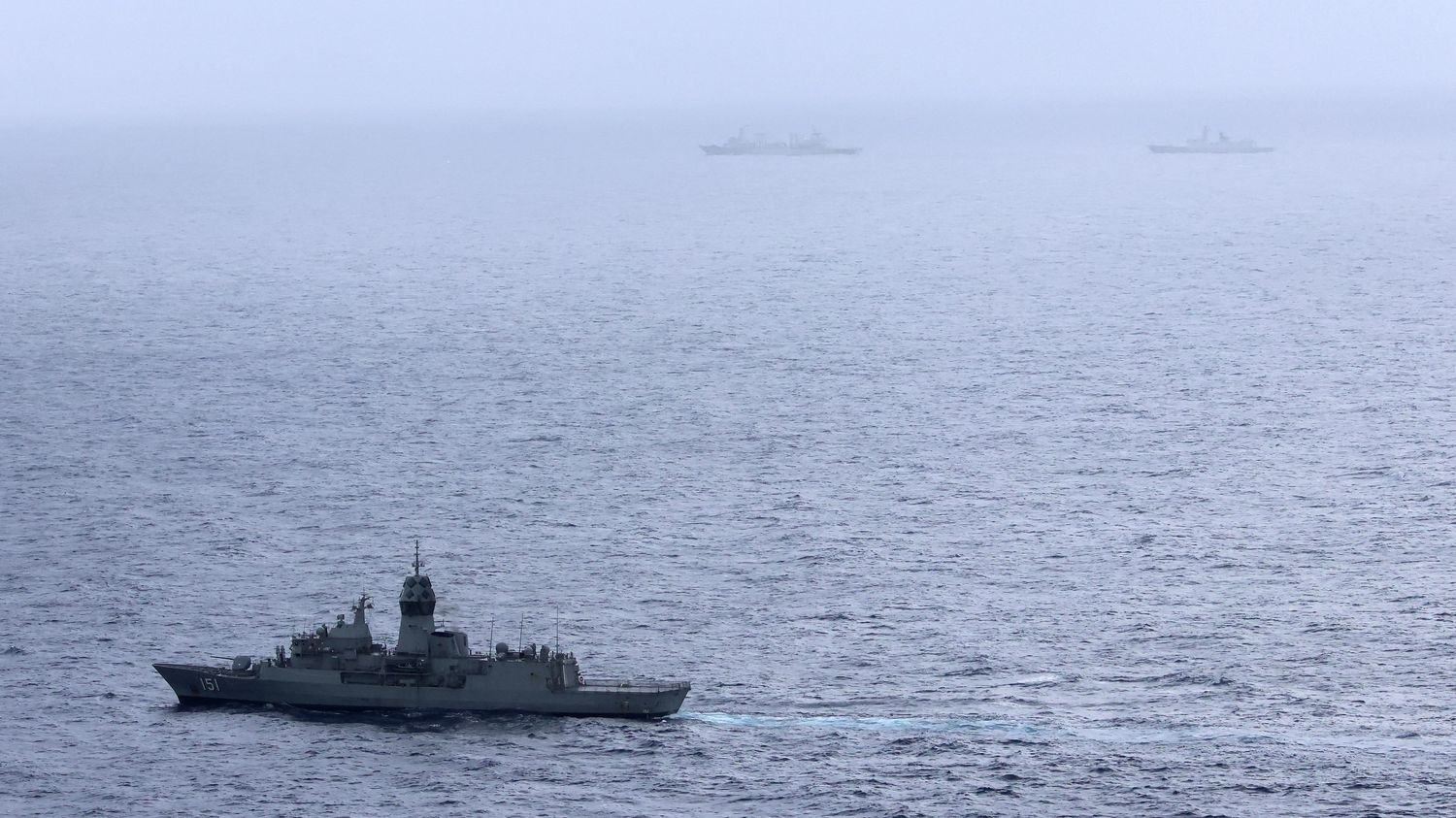
A strategic leap in the Indo-Pacific
Australia is committing nearly €7 billion to overhaul a shipyard that will shape its future submarine force. The ten‑year plan focuses on Henderson, near Perth, turning a busy complex into a nuclear-capable hub. The investment builds on the 2021 AUKUS partnership with the United States and the United Kingdom.
Canberra sees the project as a response to a shifting balance of power in the Indo-Pacific. Regional waters are more crowded, and military modernization is more urgent. For Australian planners, deterrence requires both advanced platforms and resilient infrastructure.
From Virginia-class deliveries to sovereign build
Under AUKUS, Australia expects to acquire three to five Virginia-class attack submarines from the United States within about 15 years. After that, the country intends to build its own boats in collaboration with the UK. The Henderson upgrade is the industrial bridge that links imported capability to sovereign production.
The dual path reduces near‑term risk while preserving long‑term autonomy. It also aligns operational needs with workforce development. By synchronizing deliveries and construction, Australia aims to avoid a capability gap and maintain a credible presence.
Why the yard matters as much as the boats
Modern nuclear-powered submarines demand specialized facilities and uncompromising standards. A yard must manage nuclear safety protocols, precision manufacturing, and high‑security logistics. Without that backbone, even the best design cannot become a deployable fleet.
Henderson’s location near Indian Ocean routes offers strategic depth. Proximity to existing naval units and suppliers shortens timelines and reduces costs. Building capacity where it will be used strengthens readiness and supports sustained operations.
What the upgrade is likely to include
- Expanded dry‑dock and heavy‑lift infrastructure for large hulls
- Nuclear‑safety compliant workshops and radiation‑control zones
- Advanced test, evaluation, and quality‑assurance labs and tooling
- Secure digital networks for design data and supply‑chain tracking
- Training pipelines for welders, fitters, and nuclear‑qualified technicians
- Environmental protection and waste‑management systems with strict audits
Economic ripple effects and workforce challenge
A project of this scale can turbocharge jobs and high‑value skills. It will draw engineers, fabricators, and technicians into long‑term careers. Local firms could climb the value chain, exporting components and expertise.
The constraint is not only money but talent and time. Australia must grow a specialized workforce while meeting existing naval commitments. Partnerships with universities and TAFE‑style programs will be critical to sustain throughput.
Managing risk, safety, and public confidence
Nuclear propulsion raises distinct questions about stewardship and safety. While these submarines carry no nuclear weapons, their reactors demand rigorous governance. Transparent oversight will help maintain trust with local communities and partners.
Environmental baselines, emergency‑response drills, and regulatory audits should be embedded from day one. Clear communication on waste handling and safety culture will matter as much as welding or testing. Credibility grows when standards are published and performance is verified.
Regional signaling without escalation
The investment sends a calibrated signal of resolve and stability. It underscores that deterrence rests on sustained capacity, not episodic purchases. A larger allied submarine footprint can raise the threshold for coercion and reduce miscalculation.
At the same time, capability development should be paired with dialogue and crisis‑management channels. Guardrails reduce the risk that routine patrols become unintended flashpoints. Strength with predictability can support regional order and shared prosperity.
Industrial rhythms and the long game
Submarine programs live on generational timelines and steady cadence. Consistent funding and disciplined planning prevent cost growth and delays. Early investment in tooling and people creates compounding gains in quality and schedule.
As production matures, lessons from Virginia‑class sustainment and upgrades can flow into Australia’s own designs. Interoperability with allied fleets will hinge on shared standards and training. The goal is a cycle of build, maintain, and modernize that endures.
“It is a once‑in‑a‑century industrial project with a long horizon.”
What to watch next
Key milestones will include contract awards, facility groundbreakings, and regulatory certifications for nuclear‑related work. Workforce pipelines should show rising apprentice numbers and retention rates. Supply‑chain mapping must reveal diversified sources and audited processes.
If these markers advance on schedule, Australia will convert political intent into durable power. The result would be not just new submarines, but a living ecosystem of skills, plants, and partners. In a contested region, that ecosystem is the ultimate force multiplier.
