The latest findings paint a chilling picture of escalating repression, where even watching a foreign movie can end a life. According to a new United Nations report, capital punishment in North Korea is being used with growing frequency, including for the viewing and sharing of foreign media. Testimonies gathered over a decade indicate that the system’s machinery of fear is tightening its grip, aided by surveillance that has become increasingly ubiquitous. The result is a climate of dread in which curiosity, culture, and human connection can be construed as existential threats.
A tightening regime of control
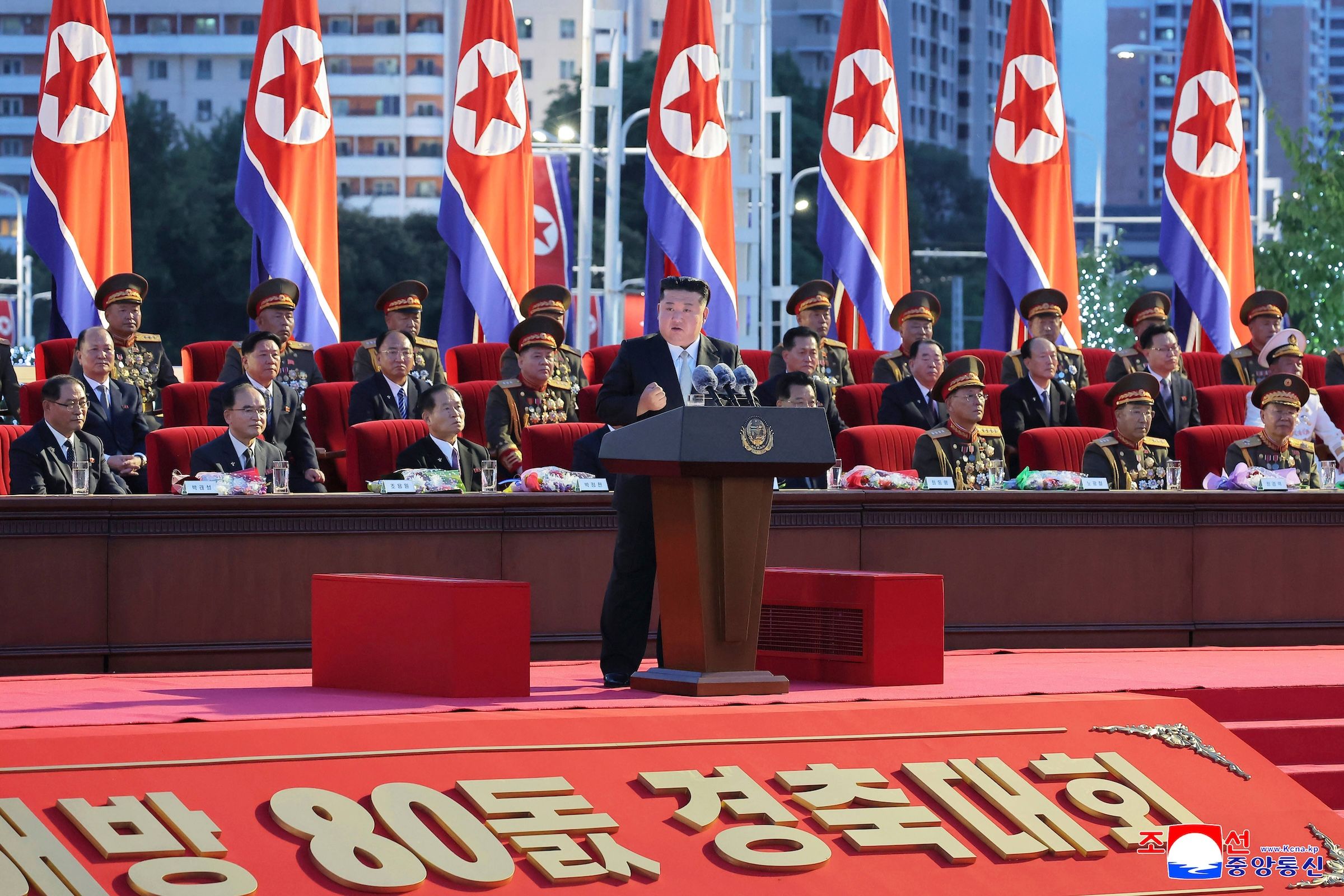
The UN human rights office describes a state that has reinforced control over nearly every aspect of daily life during the last ten years. Interviewees recount a cascade of laws passed since 2015 that broaden the grounds for capital punishment, including for consuming or distributing foreign films and television series. The justification is framed as protecting ideological purity, but the effect is to isolate citizens from outside information. As one official assessment starkly states, “No other population is subjected to such restrictions in today’s world.” The message is both unmistakable and relentlessly enforced.
Public executions as a warning
Witnesses describe executions carried out by firing squad, often staged to amplify the spectacle of punishment. Such events function as public warnings, embedding fear deep into communities already worn down by scarcity and surveillance. In one widely cited account, a 23-year-old was sentenced alongside alleged drug traffickers, signaling that cultural offenses are treated as grievous crimes. “These crimes are now handled the same way,” a defector told the BBC, underscoring how entertainment has been reframed as a national security breach. The line between state ideology and everyday life has grown perilously thin.
Digital walls and coerced labor
Technology has made surveillance more pervasive, allowing the state to monitor devices, neighborhoods, and networks with growing precision. Smuggled media—once a rare escape valve—is now riskier to access, share, or even store. Simultaneously, forced labor has intensified, with citizens compelled into punishing work regimes that drain time, energy, and any space for personal autonomy. The combination of digital walls and analog coercion leaves people trapped between omnipresent monitoring and relentless extraction. It is a system designed to wear down both body and spirit.
Human stories behind the statistics
The numbers in the report are stark, but the human stories are even more piercing. One defector recalled friends executed after being found with South Korean content, a tragedy that still resonates as a personal and collective scar. Families whisper at home, worried that a curious teenager might click the wrong file or trust the wrong friend. In such conditions, culture becomes a contraband lifeline, and curiosity a potential death sentence. As UN High Commissioner Volker Türk warned, if current patterns persist, people will face “more suffering, brutal repression, and fear” for years to come.
Why foreign media is seen as dangerous
Foreign media threatens to puncture the bubble maintained by propaganda and state narratives. Even a single film can widen horizons, spark questions, and cast doubt on official truths. That is why small acts—watching, sharing, or saving a show—are punished with such vast force. The state recognizes culture’s quiet power, which is precisely what makes it intolerable to a rigid system. Art becomes subversion, and empathy becomes a crime.
What the world can do
International law offers tools, but they require coordination, perseverance, and moral clarity. Targeted sanctions, documentation efforts, and support for escapees can matter, especially when paired with credible channels for accountability and aid. To be effective, responses must be careful not to worsen isolation, which can harden repression and deepen public suffering. Civil society groups, media organizations, and tech platforms also play a role, from secure communications to trusted channels for verified information.
- Support independent documentation and secure reporting of abuses, preserving evidence for future accountability.
- Expand safe routes and legal protections for escapees, with trauma-informed care.
- Coordinate targeted sanctions on individuals and entities tied to executions and surveillance apparatuses.
- Fund technology that enables safe access to information without exposing users to elevated risk.
The stakes of silence
Silence risks normalizing the unthinkable, allowing a culture of fear to calcify into routine. Every execution over a movie or series is not just a legal act—it is an assault on the human drive to learn, to feel, and to find connection beyond prescribed borders. The global community does not lack evidence; it lacks consistent will and protective pathways. Until that changes, people will continue to pay with their lives for the simple act of imagining a world beyond their enforced horizon. The cost of looking away will always be measured in someone else’s broken future.
