
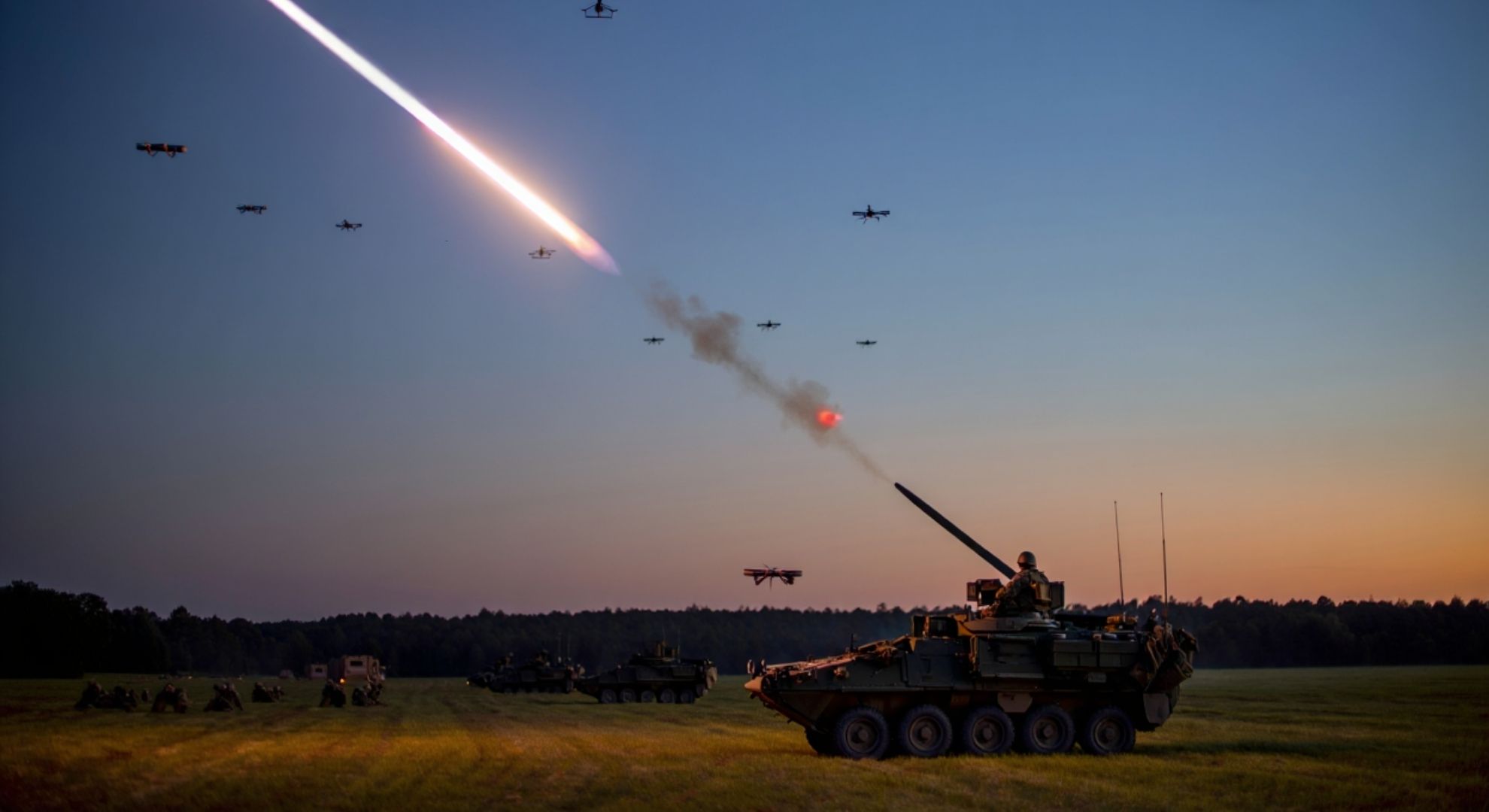
What initially appeared to be a routine air defense alert has quickly evolved into a highly symbolic and unprecedented military event. For the first time since the beginning of the war in Ukraine, a European country has reportedly intercepted a Russian cruise missile outside Ukrainian airspace, raising new questions about the scope and risks of the conflict.
A turning point beyond Ukraine’s borders
According to early reports, the interception occurred after a missile briefly entered or approached the airspace of a neighboring European nation. This triggered an immediate defensive response, leading to its neutralization before it could pose a direct threat to populated areas.
While incidents involving drones and stray missiles have happened before, this case stands out due to the type of weapon involved and the location of the interception. Cruise missiles are significantly more complex, often designed for precision strikes over long distances.
A defense official familiar with the situation stated:
“This is not just a technical interception — it reflects a shift in how seriously airspace violations are being treated.”
Why this changes the equation
Until now, most military engagements involving Russian missiles have remained confined within Ukrainian territory. This event suggests a potential spillover risk, where neighboring countries may be forced to take direct defensive action.
This does not necessarily indicate escalation, but it does highlight how thin the margins have become. A slight deviation in trajectory or targeting can now have international consequences.
Increased pressure on European air defenses
The incident is likely to accelerate discussions around air defense coordination across Europe. Several countries bordering Ukraine have already reinforced their surveillance and interception capabilities, but this event may push further integration.
Key implications include:
- Strengthening cross-border radar and detection systems
- Faster response protocols for airspace violations
- Increased military readiness in eastern European regions
- Closer coordination within NATO structures
These measures aim to reduce reaction times and prevent similar incidents from escalating further.
A signal rather than an escalation
Despite the gravity of the situation, most analysts view the interception as a defensive necessity rather than an act of aggression. The priority remains the protection of national airspace and civilian populations.
There is currently no indication that the country involved intends to escalate militarily. However, the incident sends a clear message: airspace integrity will be enforced, even in complex and fast-moving scenarios.
A fragile balance
This development underscores the delicate balance currently in place across the region. With military operations ongoing near European borders, the likelihood of unintended incidents remains present.
What makes this event particularly notable is not just the interception itself, but what it represents: a conflict that is no longer strictly contained, where decisions must be made in seconds, with potentially far-reaching consequences.
The situation remains fluid, and further details are expected to clarify both the origin of the missile and the exact circumstances that led to its interception.
